How an Intern Fooled Me for 2 Weeks
A big productivity myth is that if you work as hard as possible, you will achieve something great. Working hard is important
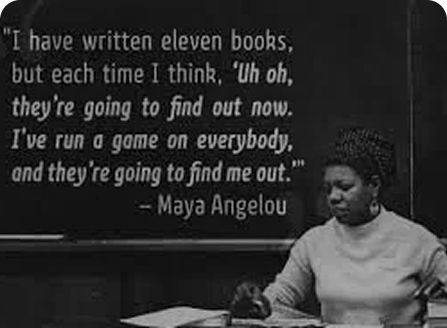
I don't know what I'm doing
A big productivity myth is that if you work as hard as possible, you will achieve something great. Working hard is important
Leadership Lessons from a Child Actor
A big productivity myth is that if you work as hard as possible, you will achieve something great. Working hard is important
How not to lose your shit while
A big productivity myth is that if you work as hard as possible, you will achieve something great. Working hard is important
You Are NOT An Imposter, So Why
A big productivity myth is that if you work as hard as possible, you will achieve something great. Working hard is important
Workaholic or a High Achiever
A big productivity myth is that if you work as hard as possible, you will achieve something great. Working hard is important
Executive presence isn't a performance hack.
Years ago, I was in a productivity bootcamp chasing every tool and hack. Then the leader threw us a curveball: "You need a bigger purpose to drive all this."

I rolled my eyes - that's not what I was taking this class for... Begrudgingly, I came up with: "Help people become their highest, happiest, most badass selves."
It felt cheesy at the time. But it planted a seed. My meetings with direct reports, peers, even my boss started to shift. Same person, same skills - different orientation. I wasn't performing competence anymore. I was connected to something that mattered. AND I was more productive because of it.
That's what real executive presence is. Not the right words, not the power poses. It's being anchored in purpose so people feel it.
When you lead from ego, people follow your title. When you lead from conviction, they follow you.
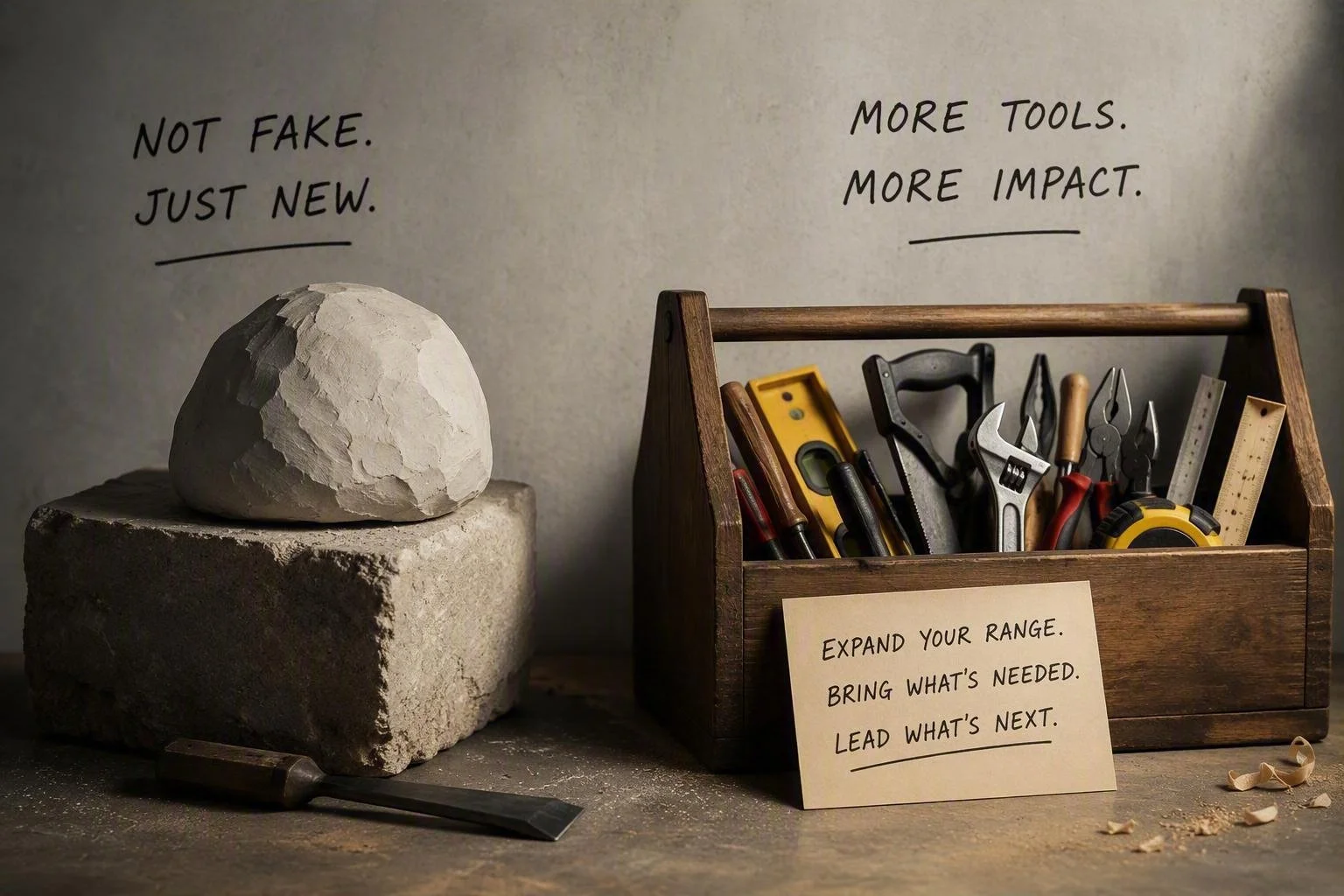
This feels fake.
That’s the first thing leaders tell me after we start working on expanding their executive presence. And it makes sense because the process can be uncomfortable, especially at first. I’ll ask my clients to speak out more where they usually wouldn’t, or to change the volume of their voice.

But it’s not fake.
It’s just exercising a new muscle. If you started lifting weights for the first time, you’d have a similar feeling of discomfort because you’re doing something hard. But that doesn’t mean you’re being inauthentic.
We all have many parts of ourselves; sometimes we lean on the more comfortable ones. However, in leadership, it’s crucial to expand our range to the parts of ourselves we don’t use as much. It’s our job to bring what is wanted and needed for our teams and our org in any situation.
When our leadership tool set is limited, there are fewer things we can bring to the plate. It’s like if you show up to a construction site with only a hammer.
If you’re stepping into a bigger role at your workplace, it’s a good idea to improve your executive presence. I’m Tracy Podell, and I can help with that. DM me to find out how.
I’ve always had a lot of (amazing) hair.
When I took my Kindergarten class photo, they said “1…2…3…” and right before the flash, I flipped it all over my face to hide. I was a shy kid.
At 8, I saw my first Broadway show and decided I wanted to be an actor. Which meant I had to learn fast: stop mumbling, use my voice, and show up in a way people could actually hear and take seriously.
And that's what I work on with so many of my first time SVP/C-Suite leaders. They’re brilliant at forming connection in one-on-ones, but in the boardroom or at the all-hands, they shrink. And at that level, shrinking costs credibility.
They often think they have to fake some idea of "Executive Presence" that doesn't feel natural to them. Really it's not about performing, but it's about dialing up a part of you and letting yourself be seen., instead of hiding.
If you’re stepping into a bigger leadership role and want to practice not hiding, that’s what my PracticeZone methodology is for. DM me to learn more and I'd love to hear what you're navigating.
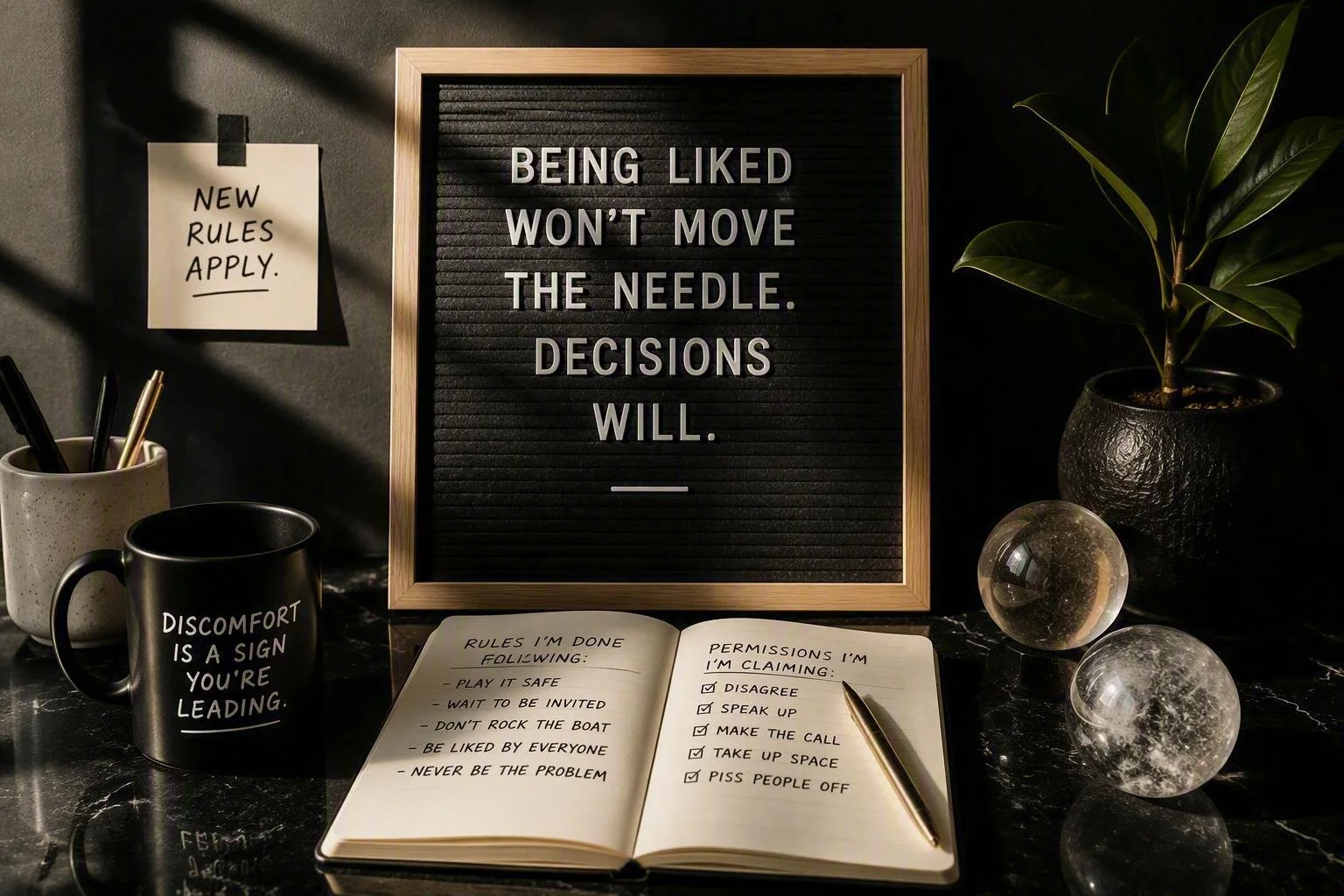
Polish doesn't equal executive presence.
When I first started presenting and facilitating in C-suite rooms and on bigger stages, I learned that being perfectly polished in my delivery left people checked out and took away from my credibility and influence.
I had to learn that facts and frameworks don't move people. Connection does. Naming what others won't say. Bringing enough of myself that people lean in instead of tune out. That's when my influence actually grew.
Most leaders stepping into their biggest role still hide behind likability or a detached sense of "professionalism" that feels safe but it doesn't inspire followership.
That's what the PracticeZone™ is for. It's where you practice showing up the way you actually want to be experienced: clear, grounded, and compelling. It's about bringing out more of your unique leadership style, instead of hiding. Because being effective in leadership isn't about looking perfect. It's about your ability to influence and inspire people to follow you.
What's one pattern you've had to unlearn about presence or authority?